
Hybrid Systems
Two Drives, One System

Efficient Power Transmission for Hybrid Systems – Precise, Reliable and High-Performance
Why Hybrid Systems Require Specialised Drive Components
Hybrid systems combine different energy sources and propulsion concepts. In many cases, an internal combustion engine and an electric motor operate together within a single drivetrain. This opens up new opportunities for efficiency, power delivery and energy recuperation, while also creating special demands on mechanical power transmission.
Torque, speed and load conditions often change more rapidly and more dynamically in a hybrid drivetrain than in a conventional drive system. At times the combustion engine is active, at others the electric motor takes over, and in some operating modes both work together. During start-up, acceleration, mode transitions and braking, all components must interact with precision.
Clutches and brakes perform key functions within this environment. They connect and disconnect drive paths, synchronise motion, secure positions and support energy-efficient drivetrain management. The technology must switch precisely, withstand frequent load changes and do so while requiring as little installation space and energy as possible.
Mönninghoff develops customised clutch and brake systems for hybrid drivetrains that are specifically matched to the engine, transmission and control architecture of each application.
When Two Power Sources Must Work Together Seamlessly
Mönninghoff components can be used in a wide range of hybrid applications, including:
- Vehicle and mobile drive systems
- Marine hybrid propulsion systems
- Construction machinery and special-purpose vehicles
- Stationary hybrid drive systems
- Generator and auxiliary drives
- Test rigs for hybrid powertrains
- Drivetrains with electric assistance
- Systems with multiple operating modes and variable load profiles
The specific task can vary considerably. In one system, the electric motor may be engaged during start-up. In another, it may temporarily provide propulsion while the combustion engine remains switched off. Other applications use electric drives for recuperation, manoeuvring or auxiliary functions.
What all these applications have in common is the need for smooth, reliable and highly efficient transitions between operating modes.
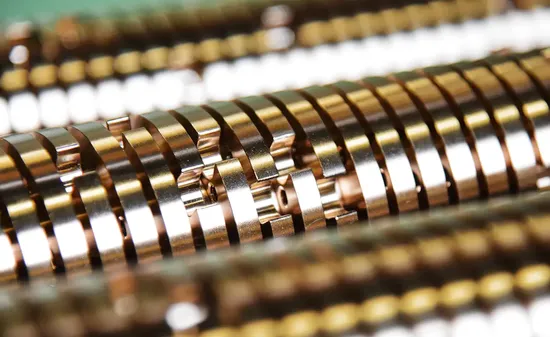
Requirements for Clutches and Brakes
Hybrid drivetrains place specialised demands on drive components.
- Precise engagement and disengagement Drive paths must be connected or disconnected at exactly the right moment.
- High switching speed Transitions between operating modes should occur without unnecessary delay.
- Low switching losses Power transmission should support the overall efficiency of the system.
- Capability to withstand load changes Frequent switching between traction, overrun and recuperation modes creates dynamic loading conditions.
- High torque capacity Clutches must reliably transmit both nominal and peak torque.
- Minimal backlash Accurate torque transmission is essential in synchronised drivetrains.
- Energy-efficient holding functions Holding brakes should perform their functions with minimal energy consumption.
- Compact design Hybrid systems often offer very limited installation space for additional components.
- Long service life Frequent switching operations and changing operating modes should not result in excessive wear.
- Excellent system integration Clutches, brakes, motors, transmissions, sensors and controls must function as one integrated system.
- Controlled thermal behaviour Switching and friction processes generate heat that must be properly managed.
The right solution therefore does more than transmit torque. It must know when each power source is required and manage transitions so effectively that the overall system operates as efficiently as possible.
Connect, Disconnect and Continue Efficiently
Mönninghoff develops clutch and brake systems for hybrid drivetrains that are tailored to torque, speed range, load changes, switching strategy and available installation space.
Electromagnetic Multi-Disc Clutches
Electromagnetic multi-disc clutches provide controlled engagement and disengagement and are well suited to hybrid drive systems operating under changing conditions. They support smooth transitions between combustion engines and electric motors while transmitting high torque levels within a compact design.
Potential applications include
- Engaging and disengaging an internal combustion engine
- Connecting an electric motor to the drivetrain
- Switching between operating modes
- Controlling auxiliary and generator drives
- Applications with frequent load changes and varying speeds
When switching between two power sources, clutch engagement characteristics are crucial. A well-designed transition is not noticeable because of a jolt, but because of smooth and efficient operation.
Electromagnetic Tooth Clutches
Electromagnetic tooth clutches enable positive-locking, highly precise engagement. They are particularly suitable for applications requiring a defined connection, high torque transmission and minimal backlash.
Typical applications include
- Defined coupling of motors and transmissions
- Synchronisation of drive stages
- Engagement and disengagement under high torque
- Switching operations within hybrid modules and auxiliary drives
- Applications requiring precise positioning and minimal residual torque
The positive-locking connection helps establish a clearly defined mechanical state. This is especially beneficial where the control system must reliably distinguish between different operating modes.
Electromagnetic Tooth Holding Brakes
Electromagnetic tooth holding brakes can positively lock shafts and assemblies in position. Depending on the design, the bistable operating principle can provide an energy-efficient holding function, as the position does not need to be maintained continuously with full electrical power.
Potential applications include
- Holding drive shafts when the motor is switched off
- Securing positions during standstill
- Parking and maintenance functions
- Holding tasks in electric auxiliary drives
- Supporting safety and emergency-stop functions
An energy-efficient holding function can make a valuable contribution to overall drivetrain efficiency. Even when stationary, the system should avoid unnecessary power consumption.
Pole Friction Clutches
Pole friction clutches provide controlled-slip torque transmission. They are particularly suitable where torque must be applied, limited or adjusted smoothly to changing operating conditions.
Potential applications include
- Controlled start-up of a drive system
- Bridging short-term load peaks
- Sensitive torque transmission at varying speeds
- Torque limitation in auxiliary drives
- Testing and development applications with varying load profiles
Controlled torque transfer can help protect motors, transmissions and downstream components from unnecessary load peaks.

Product Overview >
Two Drive Sources, One Efficient Power Flow
Whether for vehicles, vessels, construction machinery, generators or test rigs, Mönninghoff develops clutches and brakes for hybrid drivetrains that connect different energy sources with precision, switch efficiently and ensure reliable interaction between all drive components.
Are you developing a hybrid drivetrain or looking to make an existing system more efficient, compact and reliable? Speak with our experts about torque, speed, switching strategies, load changes, energy consumption and installation space. Together, we can ensure that the right drive source is engaged at exactly the right moment.
Reliable Components for Innovative Drive Technologies
Efficiency Begins in the Drivetrain
Discussions about hybrid drives often focus on engine efficiency, battery capacity and energy recuperation. Equally important, however, is how efficiently the mechanical transitions between the drive components operate.
The following parameters may be considered during system design
- Rated and peak torque
- Speed ranges of the individual motors
- Differential speed during engagement
- Switching times and desired transition characteristics
- Frequency of operating-mode changes
- Load changes between traction and overrun operation
- Recuperation and braking requirements
- Available installation space and connection geometry
- Thermal loading caused by frequent switching operations
- Energy requirements of holding and switching functions
- Sensor, control and diagnostic requirements
- Expected service life and maintenance intervals
Mönninghoff evaluates the complete power flow. The key consideration is not only whether a clutch can transmit maximum torque, but also how it behaves during start-up, mode transitions and braking within the overall system.
Mechanical Precision Meets Intelligent Control
A hybrid drivetrain can only realise its full potential if mechanics and control systems operate in harmony. The control system determines when a drive source should be engaged. The clutch must execute this command reliably and within the required timeframe. Sensors and diagnostic systems must then confirm the achieved operating state.
Important aspects of system integration include
- Electrical control and switching logic
- Feedback regarding clutch or brake position
- Speed synchronisation
- Behaviour during delayed or failed switching operations
- Protection against operator error and impermissible operating conditions
- Monitoring of temperature and wear
- Safe response to power failures and control-system faults
- Interaction with engine, battery and transmission management systems
A properly designed clutch is therefore far more than a mechanical component. It is a critical interface between physical motion and intelligent drivetrain control.
From Concept to Production-Ready Solution
Prototypes and functional test systems allow switching behaviour and load transitions to be evaluated under realistic conditions from an early stage. This is particularly important when developing new hybrid architectures or integrating multiple drive sources within a tightly coupled system.
Potential evaluation criteria include
- Switching times and transition behaviour
- Torque transmission at different operating speeds
- Performance during load and operating-mode changes
- Heat generation during frequent switching operations
- Energy consumption of clutches and holding brakes
- Response to fault conditions and power failures
- Integration with engine, transmission and battery management systems
- Endurance testing and wear behaviour
- Performance under varying temperature conditions
The result is a solution that performs not only under ideal laboratory conditions but also under the changing demands of real-world hybrid drive applications.